Define the target member before mapping the locality
A location decision starts with a target member, not a pin on a map. Consider study needs, schedule, affordability, likely origin areas, travel mode, required operating hours and access concerns. Adult exam aspirants, college students, working learners and other groups may use different catchments and hours. Investigate actual requirements rather than relying on stereotypes.
Map demand generators and observe real demand
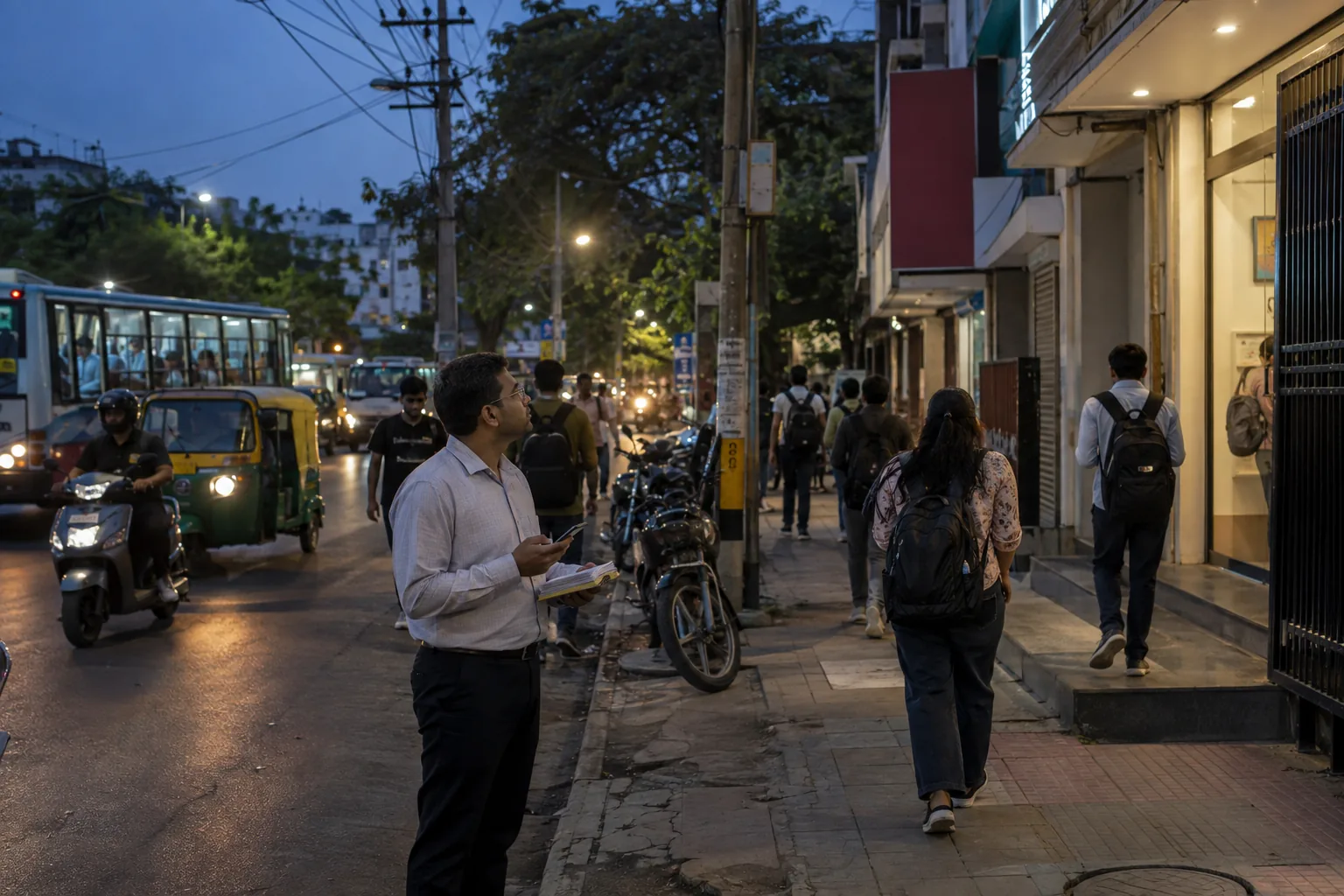
Coaching hubs, universities, colleges, PG and hostel clusters, residential areas, transport routes and existing study facilities can be useful demand clues. None proves demand by itself. Observe movement at relevant times, speak with potential users responsibly, record enquiries and investigate whether people would use your particular hours, price and environment.
Competition is not automatically good or bad. It can indicate an existing market, but it can also create pricing, access or differentiation pressure. No competition is not automatically an opportunity either.
Study travel friction, not just distance
Check walking routes, public transport, bus, auto and two-wheeler access, lighting, crossings, weather exposure, late-hour movement and the actual door-to-desk path. Proximity helps only when target members can and will use the facility. Avoid inventing a universal travel radius or distance rule.
Understand rent as an economic commitment
Record rent, deposit, escalation, lock-in, fit-out obligations, maintenance, utilities and any restrictions. Cheap rent can be expensive when demand or access is weak. Premium rent can be dangerous when realized pricing and paid utilization cannot support it. Detailed rent-to-revenue or expense calculations belong to their relevant financial models, not to a universal location rule.
Inspect the actual premises
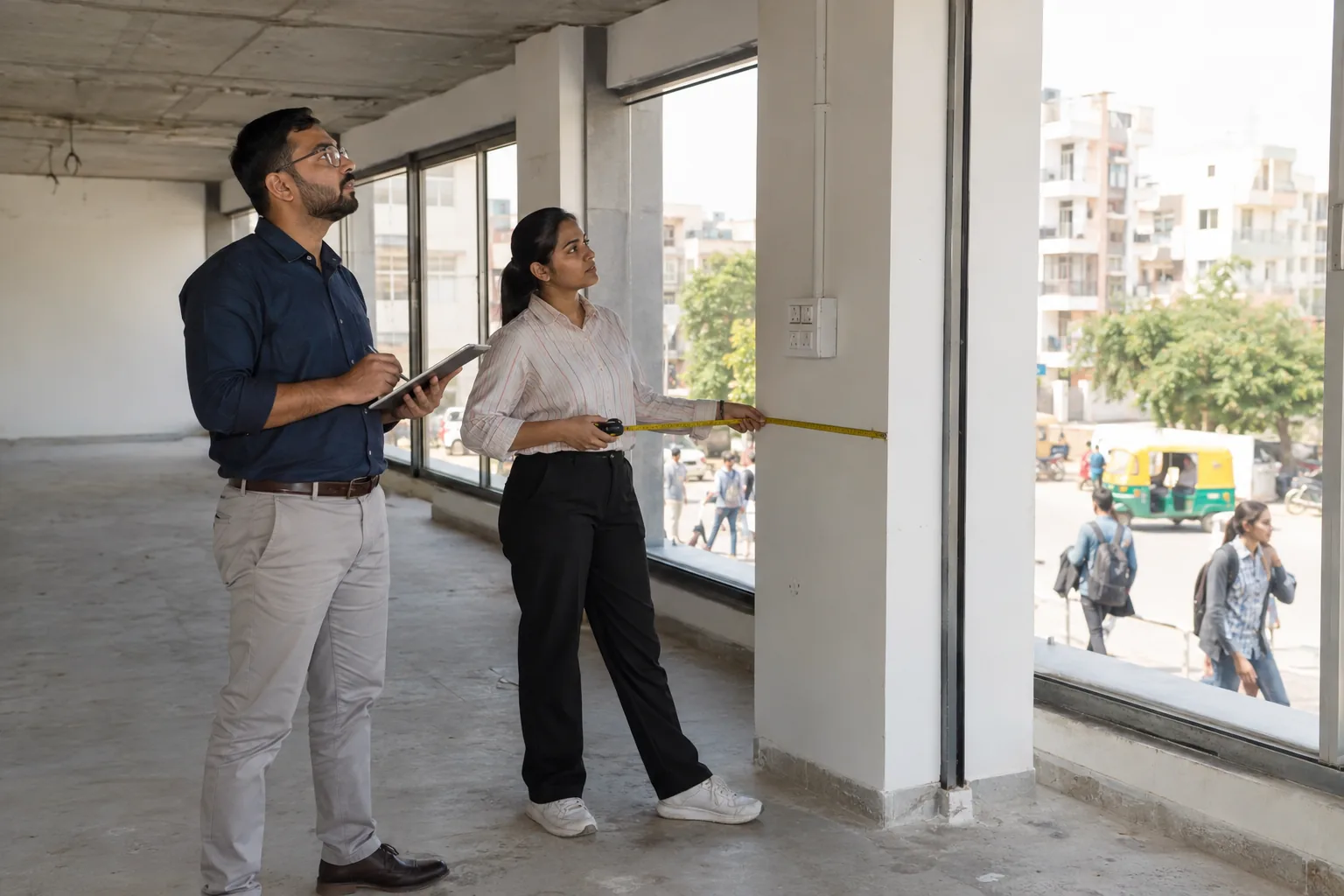
Maximum floor area is not usable study area, and maximum desks are not automatically sensible capacity. Inspect columns, circulation, windows, noise, floor and lift/stairs, visibility, washrooms, water, power, AC load, inverter or UPS feasibility, internet and mobile connectivity. Test the property at intended morning, daytime, peak and evening hours.
Safety, women members and late-hour operations
Safety and late-hour access are operating requirements. Investigate lighting, entry and exit, surroundings, staff coverage, emergency arrangements and member feedback. Women-focused needs should be researched with actual users and local context; do not replace evidence with universal assumptions.
Verify lease, premises and local requirements
Check intended commercial use, landlord permissions, signage, building restrictions, fire and safety requirements, local registration and any applicable Shops & Establishments or municipal requirements. Rules vary by location and facts. This page does not claim one universal study-library licence; verify current local requirements before commitment.